State a hypothesis
Changing a fiber blend may alter handle, yarn behavior and the finished surface together. Identify the one difference you want to evaluate, and retain a control construction so the comparison has a clear starting point.
Wood-based textile fibers
Consider modal, viscose and lyocell routes through composition, linear density and the process that follows. A useful fiber brief connects the material reference to the yarn, knit or woven construction you intend to develop.
Explore a fiber brief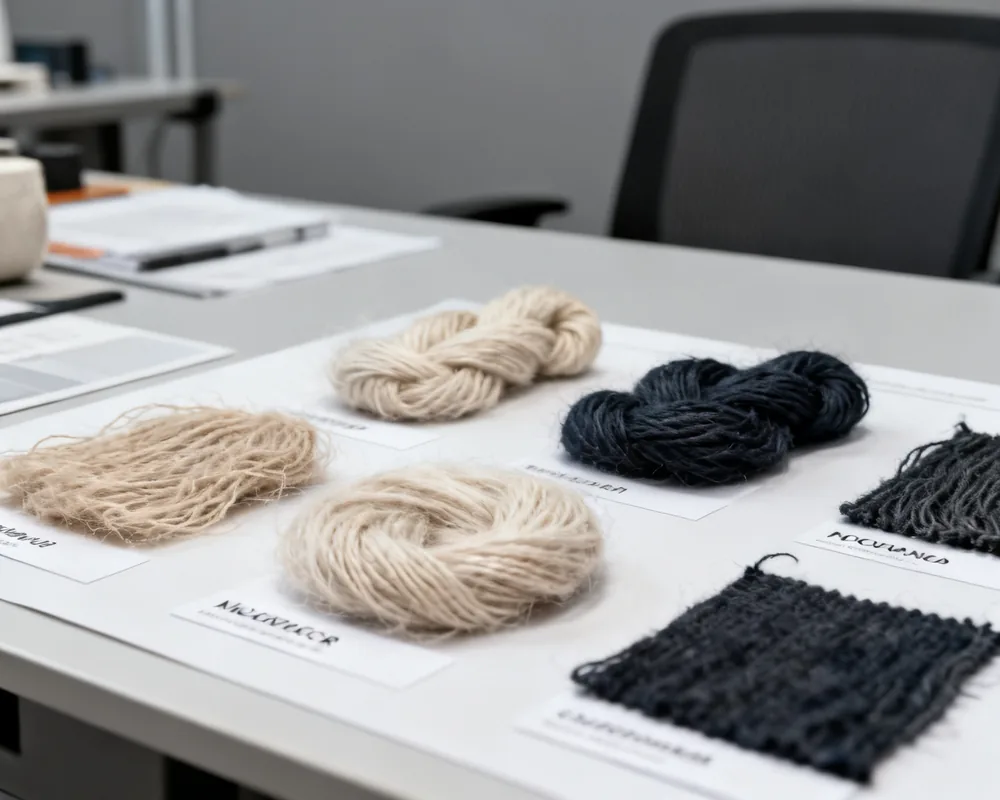
Changing a fiber blend may alter handle, yarn behavior and the finished surface together. Identify the one difference you want to evaluate, and retain a control construction so the comparison has a clear starting point.
For staple fiber, record cut length and linear density in dtex where relevant; for yarn, identify count system, twist and package. Those details support a spinning or knitting discussion more directly than a fabric weight alone.
Compare the trial against a dated reference after the intended care cycle. Record pilling, dimensional stability and colorfastness separately, with the method and specimen state beside each result.
A next-to-skin knit starts with the desired handle, coverage and care routine. Fiber composition is an input; stitch construction, finishing and garment assembly also shape the eventual experience.
A modal and cotton blend can be assessed for absorbency and touch while a synthetic blend may address other strength or drying priorities. Material origin alone does not settle either performance or environmental comparisons.
Keep a fiber declaration linked to its yarn trial and finished swatch. Where a test concerns a fabric, evaluate that construction rather than transferring a result from loose fiber or a different blend.
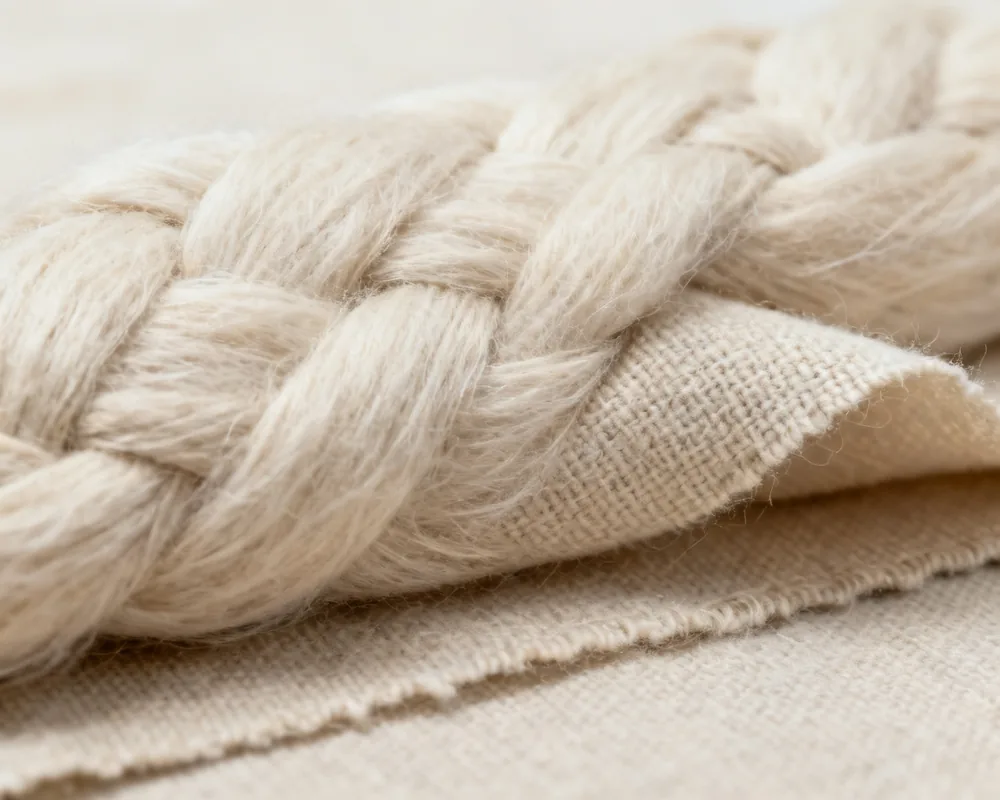
Compare the declared cellulosic fiber type, blend proportion and specimen reference before looking at a supply format. A fiber tuft, a yarn package and a finished cloth swatch answer different questions.
Explore cellulosic materials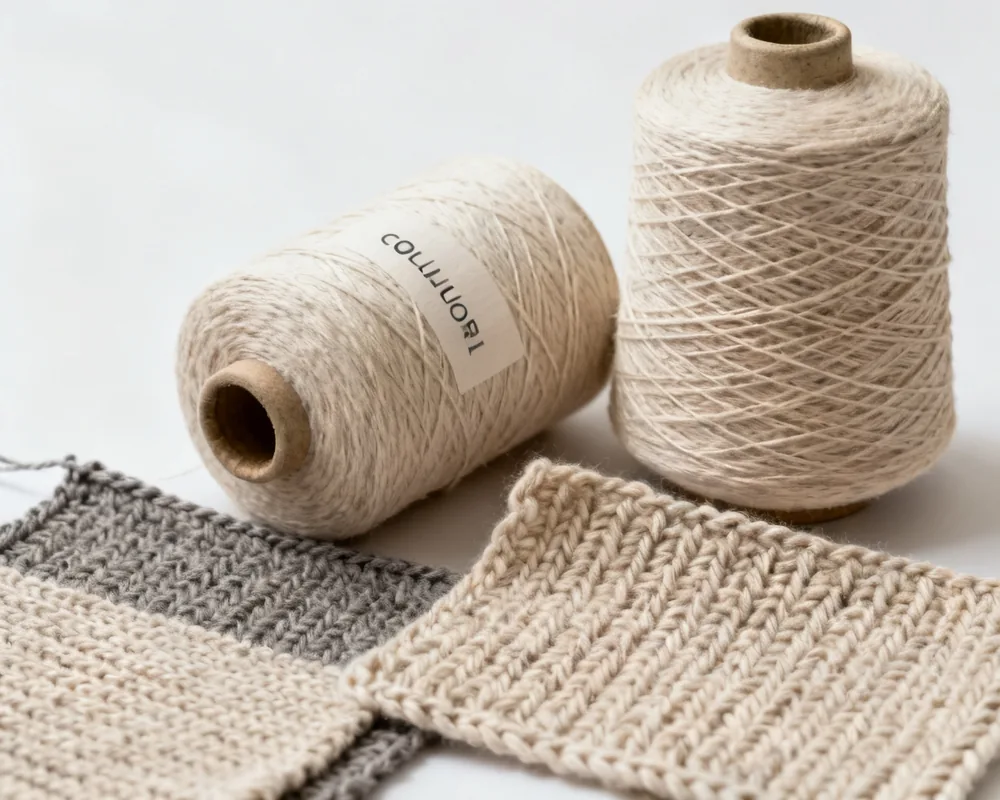
For yarn development, add count, twist, intended spinning route and subsequent knitting or weaving. GSM and usable width become relevant when a finished fabric construction is being considered.
Explore cellulosic materialsThe phrase may refer to a fabric containing a Lenzing fiber. Ask for its composition and yarn or fabric construction; the name alone does not specify GSM, width, finishing or a finished-product SKU.
Include fiber composition, linear density, cut length where applicable, supply format and intended downstream process. For a finished swatch, add construction, mass per unit area, usable width and care conditions.
No single wear or absorption result describes every use. Compare like constructions under the same conditioning and care procedure, and review surface appearance alongside measurable changes.